They say that for decades, India’s patience was mistaken for weakness. For years, we chose the high road, hoping for a peace that our neighbours never intended to keep. We tried diplomacy, we tried dialogue, and we tried restraint. But as the Indian Army’s stance on the shadow war has always dictated,
“If someone asks me what is my religion, I say I am a soldier. My job is to give a befitting reply to those who try to bleed my nation through a thousand cuts.”
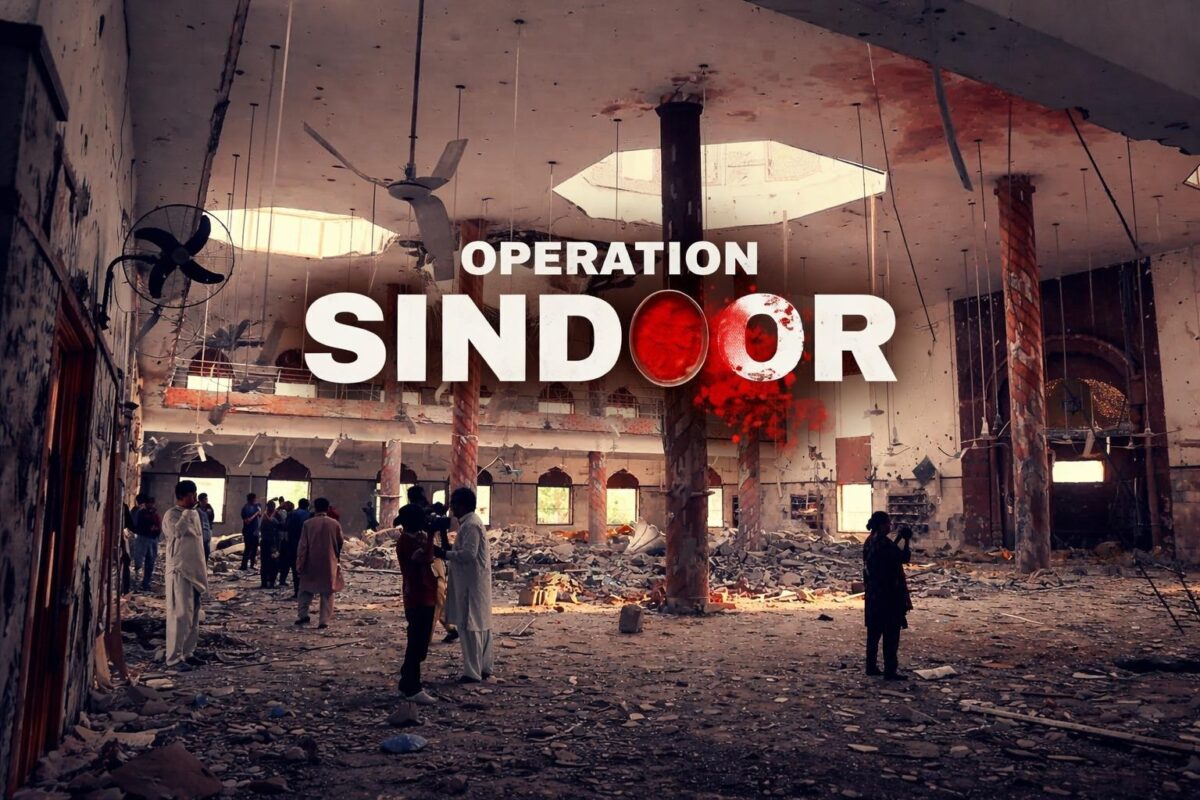
Last year, that “befitting reply” didn’t just come in the form of a statement—it came as a storm. OPERATION SINDOOR wasn’t just a military manoeuvre; it was a psychological reset. It was the moment India decided that the “cost of business” for terror had just become unaffordably high for the masters of chaos across the LoC.
Enjoying this essay by Kartikey Tripathi? Sign up for the Longform Reads weekly newsletter for our latest dispatches.
CHAPTER 1 — The 22nd Of April
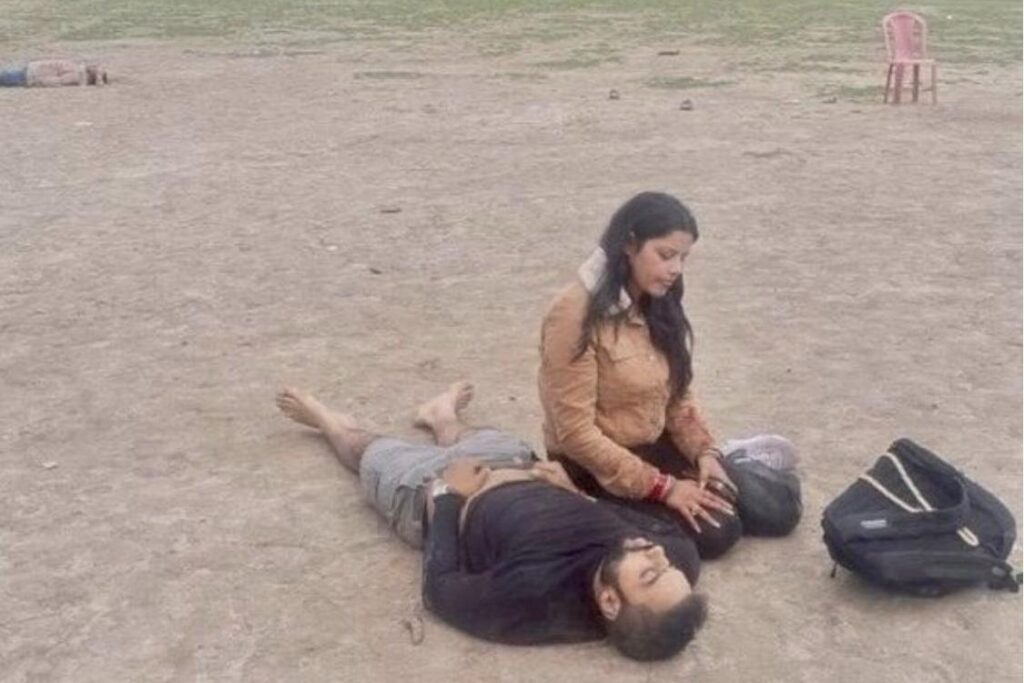
The sun hadn’t fully set over the Lidder River in Pahalgam when the silence was shattered. In a cowardly, premeditated strike, Pakistan-sponsored terrorists—later identified as a specialised suicide cell of the Lashkar-e-Taiba—targeted a high-altitude transit camp.
This wasn’t a random skirmish; it was a targeted massacre. The attackers utilised the dense treeline to ambush a convoy and then moved toward a temporary settlement, specifically targeting Hindu pilgrims and local non-Kashmiri labourers to maximise communal shockwaves. By the time the smoke cleared, we had lost 26 innocent civilians. The visuals of the carnage, especially the targeting of unarmed pilgrims, didn’t just spark outrage; they lit a fire in the heart of the nation. The era of strategic restraint died that night in the cold winds of Pahalgam.
CHAPTER 2 — The Water Treaty & The Diplomatic Hammer
The retaliation didn’t start with boots on the ground; it started with a pen in the hallowed halls of the PMO. Following a high-tension CCS (Cabinet Committee on Security) meeting, the Government of India decided to hit the Pakistani establishment where it hurts most: their very survival.
India signaled a historic, aggressive shift in its stance on the Indus Waters Treaty. For the first time, the GOI moved beyond rhetoric, announcing the immediate fast-tracking of the 624 MW Kiru Hydroelectric Project and the Ujh Multipurpose Project to utilize India’s full legal entitlement of the eastern rivers. By signaling that the flow of water and blood cannot happen simultaneously, India effectively placed a diplomatic noose around the neighbor’s neck. Simultaneously, we moved to strip Pakistan of any remaining Most Favored Nation optics and began the process of total financial isolation on the global stage.
CHAPTER 3 — 22 Minutes for the Glorious Sindoor
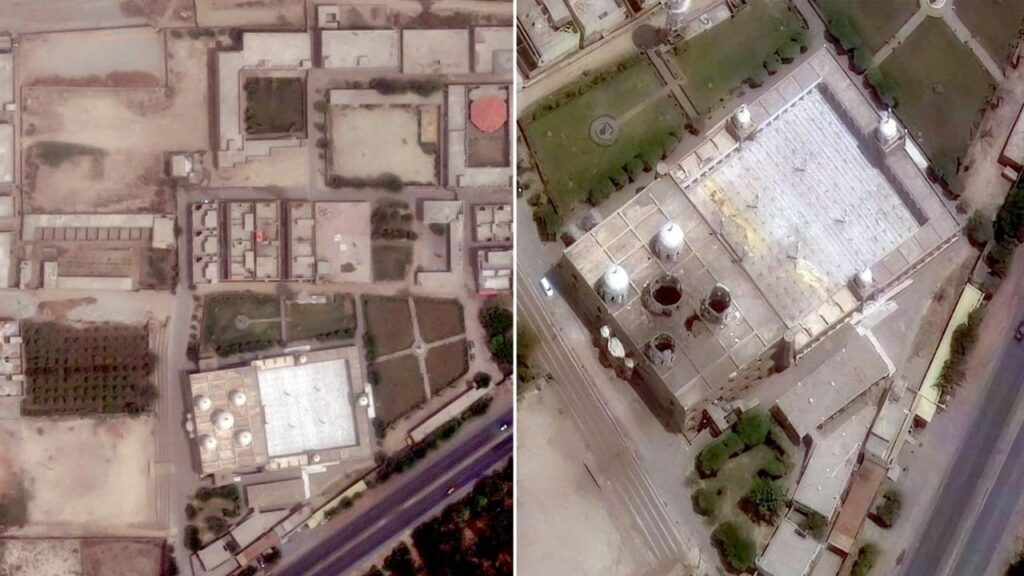
On the early night of May 6th, 2025, the Revenge of the Tricolour began with a level of precision that stunned global military observers. This was a masterclass in jointmanship, where the Indian armed forces unleashed a lightning strike of unprecedented scale. Between 1:07 a.m. and 1:29 a.m., in a mere 22 minutes, India launched 24 missiles targeting 9 specific locations identified as recruitment and training hubs.
The operation was split with clinical focus: 5 locations were targeted in PoK and 4 locations deep inside Pakistan. These strikes decapitated major facilities belonging to Jaish-e-Mohammed (JeM) and Lashkar-e-Taiba (LeT), specifically obliterating the JeM stronghold in Bahawalpur and the LeT base in Muridke, alongside critical camps in Muzaffarabad, Kotli, Manshera, Athmuqam, Kel, Bhimber, and Lipa.
The coordination was flawless. The Indian Air Force spearheaded the assault with Rafales and Su-30MKIs providing a multi-layered air-dominance bubble, while Mirage 2000s delivered the payload. On the ground, the Indian Army’s artillery and special forces worked in tandem to neutralise launchpads near the LoC, using the K9-Vajra to suppress enemy movement. Simultaneously, the Indian Navy’s Western Fleet, led by the INS Vikrant, enforced a silent blockade in the North Arabian Sea, cutting off the enemy’s maritime escape routes and electronic signatures. Pakistan attempted a retaliatory aerial strike on May 7th but was intercepted and pushed back with heavy losses. The conflict saw a calibrated escalation until a ceasefire was eventually brokered on May 10th, but by then, the terror infrastructure was physically and logistically decapitated.
CHAPTER 4 — The Aatmarnirbhar Brahmos & S-400 Sudharshan Chakkrar
This wasn’t the India of old. This was a tech-heavy, self-reliant superpower. We achieved total air superiority against the PAF using a tech stack that was largely made in India.
The S-400 Sudharshan system lived up to its name, creating a 400km no-fly zone that turned the LoC into a graveyard for any Pakistani jet that dared to lock its radar. But the real star was the BrahMos. In a surgical display of power, India deployed indigenous BrahMos land-to-air and surface-to-surface variants to take out enemy fuel depots and airbase runways at Sargodha, Rafiqui, and Skardu.
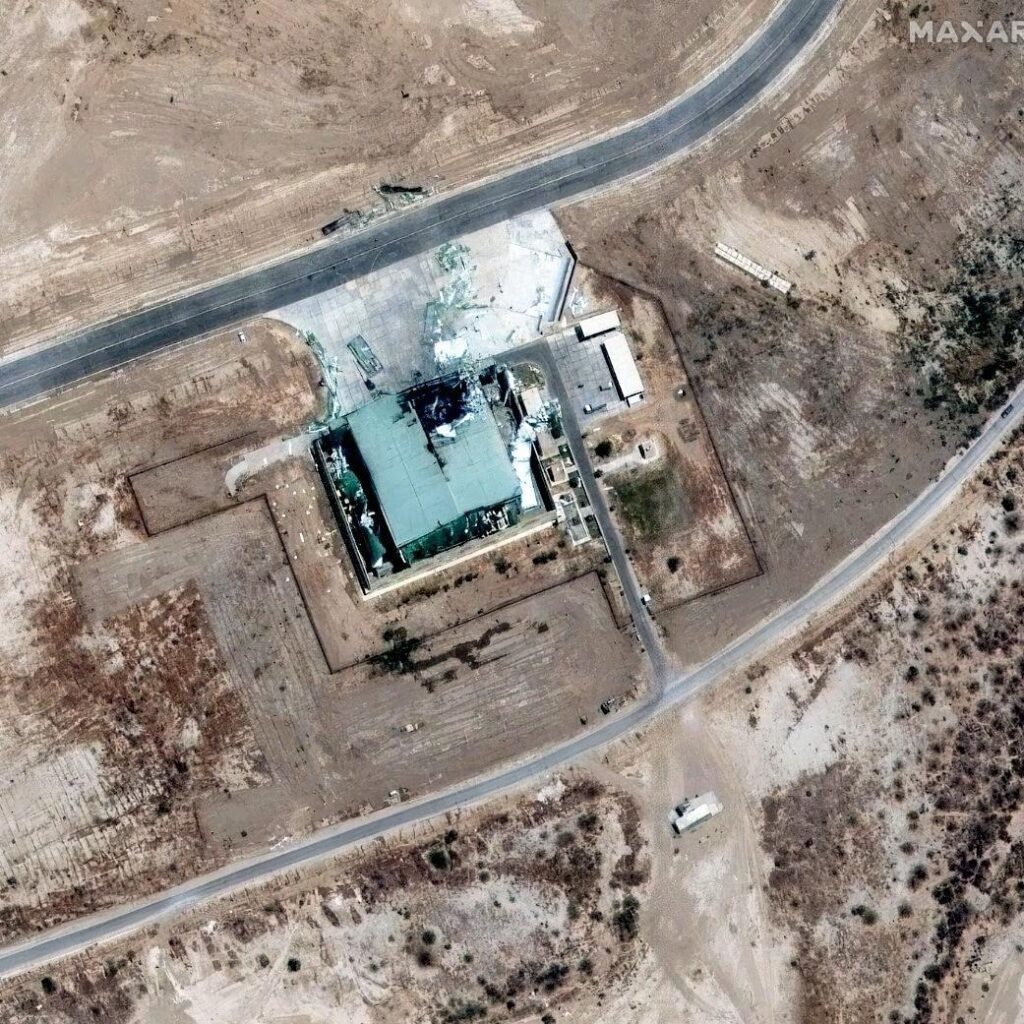
The pinpoint accuracy of these supersonic cruise missiles meant we could take out a specific hangar from hundreds of kilometres away without collateral damage. Seeing our own missiles dictate the terms of war was a moment of pure, unadulterated pride.
CHAPTER 5 – The Legacy
A year has passed since the skies over the border turned red with the fire of justice, and today, the Tricolour flies higher than ever. Operation Sindoor was more than just a victory in the field; it was the rebirth of the Indian spirit. It was the day 1.4 billion people stopped looking for validation from the world and started trusting in their own strength. When our soldiers crossed that line, they didn’t just carry rifles; they carried the hopes of every Indian who has ever felt the sting of a thousand cuts. We showed the world that Indian blood is not cheap, and the price of shedding it is now total annihilation.
This legacy lives on in the eyes of every young Indian who looks at a BrahMos or a Tejas and sees the future of a global superpower. We have moved past the age of dossiers and pleas for help. Today, we stand as a nation that commands respect through sheer, native capability. To the 24 martyrs of Pahalgam, this anniversary is our vow to you: your sacrifice became the foundation of a new India—an India that is atmanirbhar in its defence, unyielding in its resolve, and devastating in its response. The tiger has woken up, and as the echoes of Operation Sindoor prove, it no longer tolerates wolves at its gate. We are the generation that saw the change, and we are the generation that will ensure the sun never sets on a sovereign, secure, and supreme Bharat.
Jai Hind. Jai Bharat.